
18/06/2026
Location: Geelong, Victoria
Completion Date: Jun 18, 2026
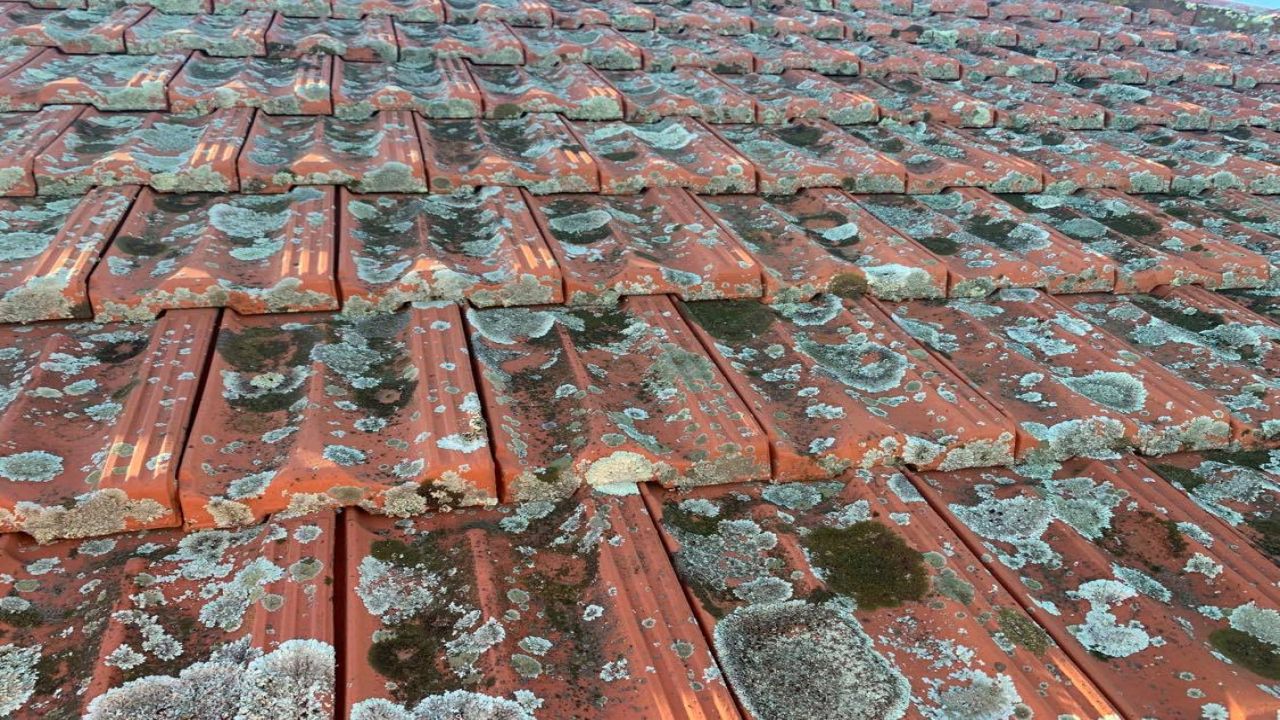
Terracotta roofs are a beautiful and long-lasting roofing choice, especially on older homes and character properties. Their warm clay colour gives a home a classic look, but over time many terracotta roofs start to develop patches of lichen, moss, algae and dark staining.
So why does this happen?
The simple answer is that terracotta tiles create the right conditions for organic growth. When moisture, shade, airborne dirt and weathered roof surfaces come together, lichen and moss can quickly take hold.
Terracotta Tiles Are Porous
Terracotta tiles are made from fired clay, which means they naturally have a porous surface. Even when the roof looks dry from the ground, the tile can still hold moisture in tiny surface pores.
This moisture gives moss, algae and lichen a place to survive and spread. Once the roof stays damp for long enough, spores can settle on the surface and begin to grow.
Older Tiles Become Rougher Over Time
When terracotta tiles are new, they usually have a harder, smoother outer surface. But after years of exposure to sun, rain, wind, frost, pollution and general weathering, that surface can become rougher.
A rough tile gives lichen and moss something to grip onto. This is why older terracotta roofs often have more visible growth than newer roofs.
Lichen in particular can be very stubborn because it does not simply sit on top of the tile. It attaches itself tightly to the surface, which is why it can be difficult to remove without the right treatment process.
Shade Makes the Problem Worse
Organic growth is usually worse on parts of the roof that do not get much direct sunlight.
Common problem areas include:
-Roof sections shaded by trees
-South-facing sides of the roof
-Areas behind chimneys
-Valleys and low-drainage areas
-Sections around solar panels, dormers and roof features
When the roof does not get enough sun, it dries slowly after rain, dew or fog. The longer the tiles stay damp, the better the conditions become for moss, lichen and algae.
Trees and Debris Add Nutrients
Moss, lichen and algae do not need much to survive. Dust, pollen, leaves, bark, bird droppings and general airborne dirt can all provide enough nutrients for growth.
Homes near trees, gardens, parks, farms or damp environments often see faster roof growth because more organic material lands on the tiles.
Once leaves and debris collect in valleys, gutters or tile overlaps, they can hold even more moisture against the roof.
What People Call “Black Mould” Is Often Algae or Organic Staining
Many homeowners refer to dark roof staining as black mould. In many cases, it may not be household mould in the usual sense.
The black marks on a roof are often caused by algae, cyanobacteria, mildew-like growth, pollution, soot, or dead organic matter. These stains are most common where moisture sits on the tile surface or where rainwater carries dirt and nutrients across the roof.
Whatever the exact cause, black staining is usually a sign that the roof surface is staying damp and collecting organic material.
Moss and Lichen Can Spread Once They Start
One of the main problems with moss and lichen is that they can make the roof even more suitable for future growth. Moss holds water like a sponge. Lichen creates a rough surface. Algae and staining can trap moisture films across the tile face. This means that once organic growth has started, it can gradually spread unless the roof is treated.
Why Regular Roof Treatment Matters
Terracotta roof growth is not just a cosmetic issue. Heavy moss and lichen can hold moisture against the tiles, block gutters, slow drainage and make the roof look older than it really is.